• Skip to primary navigation
  • Skip to main content
  • Skip to primary sidebar

That's So Primal

  • Home
  • About
  • My Story
  • Seasonings
  • Claim The Arsenal
  • 21 Day Challenge
  • Contact

Why You Need Morning Sunlight (And How It Fixes Your Sleep)

We live in climate-controlled boxes, stare at glowing screens for 12 hours a day, and eat “food” made in factories. It is no wonder most people wake up feeling exhausted. You can have the cleanest diet in the world, but if your light environment is broken, your biology will suffer. Today we are talking about your morning sunlight cortisol routine.

Humans are solar-powered. We’re designed to wake up with the sun and wind down when it gets dark. Our modern habit of waking up in a dark room and immediately looking at a bright phone screen completely scrambles our internal clocks. If you want to sleep like a rock tonight, the work actually begins the second you wake up.

The Mechanics of Morning Sunlight Cortisol

Cortisol gets a bad reputation as the “stress hormone.” While chronic stress is terrible for you, acute cortisol is completely necessary. You need a spike of cortisol in the morning to wake you up, clear the brain fog, and give you energy for the day.

The most effective way to trigger this healthy spike is through your eyes. When natural light hits your retinas, it sends a signal to your brain to release cortisol. This is why getting your morning sunlight cortisol dialed in is critical. A healthy cortisol awakening response sets the foundation for your entire metabolic day.

The Timing Matters

You cannot wait until noon to get outside. The goal is to get raw sunlight into your eyes within thirty minutes of waking. You do not need to stare directly at the sun. Just get outside, take off your sunglasses, and look toward the horizon for ten to fifteen minutes.

How Morning Light Fixes Nighttime Sleep

Here is the most interesting part. Your morning light exposure starts a biological timer. When you view sunlight early in the day, it helps trigger the release of melatonin about fourteen to sixteen hours later. Proper morning light melatonin onset ensures that when it is time to go to bed, your body actually feels tired.

If you miss the morning light, that timer gets delayed. This is why so many people lie awake at midnight staring at the ceiling. They are disconnected from the natural rhythm. If you need a refresher on how to fix your evening routine, check out my guide on resetting your circadian rhythm.

The Primal Action Plan

Tomorrow morning, do not reach for your phone. Roll out of bed, walk outside, and stand in the daylight. If it is cloudy, you just need to stay outside a little longer. Let the light hit your face.

At night, you need to do the opposite. Guard your eyes from artificial junk light. Once the sun goes down, throw on a pair of blue light blocking glasses if you have to look at screens. Simulate the cave. By managing the light you take in, you take control of your energy.

The Primal Takeaway

Your sleep quality is dictated by your morning routine. Maximize your morning sunlight cortisol by getting outside within thirty minutes of waking up. It costs zero dollars, takes ten minutes, and is the most effective way to signal your biology that it is time to perform.

Why Your Testosterone is Tanking (And How to Fix It)

Let’s talk about something important, something that affects your energy, your mood, your strength, and your overall drive. I’m talking about your hormones, specifically testosterone. For too long, the idea of maintaining healthy testosterone levels has been pushed into the “bodybuilder” or “old man” camp. That’s just wrong. Everyone, men and women, benefits from balanced hormones, and guess what? Your body is designed for robust natural testosterone production.

The modern world, though, it’s doing a number on us. Our diets are trashed, our sleep is broken, and our stress is through the roof. It’s no wonder so many people feel tired, sluggish, and just…off. But here’s the good news: you don’t need fancy shots or expensive pills. You can get back to basics. You can lean into primal living to naturally boost your T. It’s about getting back to how we’re built to live.

Eat Like Your Ancestors for Natural Testosterone Production

Your hormones are built from what you eat. If you’re feeding your body junk, you’ll get junk results. It’s that simple. For optimal hormone health, you need nutrient-dense, real food. And yes, that means plenty of animal products.

Think red meat. Grass-fed steak, ground beef, bison. These are packed with cholesterol, which is the precursor for testosterone production. Your body literally can’t make T without it. Don’t fear the fat. Embrace it. Animal fats like beef tallow, butter, and ghee are not only delicious but essential. Swap out those terrible seed oils for something better. I use quality beef tallow for almost everything now. It’s a game-changer.

Organ meats are another powerhouse. Liver, for example, is loaded with zinc, B vitamins, and Vitamin D, all critical for healthy hormone levels. If you can’t stomach the taste, find desiccated liver supplements (but make sure they’re from grass-fed sources). Oysters are also a fantastic source of zinc (and a fun date night, if you’re into that). Don’t forget your salt either. Unprocessed sea salt, like Redmond Real Salt, provides trace minerals that help your body function correctly.

Move Your Body, Boost Your Hormones

Our ancestors weren’t sitting on couches all day. They were moving, lifting, running, hunting. That’s the kind of movement your body craves. For boosting T, we’re talking about two main types of exercise:

First, lift heavy stuff. Compound movements like squats, deadlifts, overhead presses, and bench presses are your friends. They engage multiple muscle groups and signal your body to produce more hormones. You don’t need to be a powerlifter (unless you want to be, then go for it!). Just consistently challenge yourself with resistance training. Pick up something heavy. Put it down. Repeat. Simple as that.

Second, short, intense bursts. Think sprints. You don’t need to run a marathon. A few all-out sprints, followed by recovery, can be incredibly effective. This kind of high-intensity interval training (HIIT) has been shown to boost growth hormone and testosterone without the cortisol spike you get from chronic, long-duration cardio. You can even do it with bodyweight exercises, just push yourself hard for short periods. Find a hill, run up it, walk down. Do it a few times. That’s a good start. Studies confirm that how strength training boosts hormone production is pretty direct.

Sleep More, Stress Less, Get Some Sun

These three might sound basic, but they’re absolutely non-negotiable for natural testosterone production.

Sleep: When you’re sleeping, your body repairs itself, recovers, and produces hormones. Skimp on sleep, and your testosterone takes a hit. Aim for 7-9 hours of quality, uninterrupted sleep every night. Make your bedroom a cave: dark, cool, and quiet. Turn off screens an hour or two before bed. Read a book. Listen to some quiet music. Do whatever helps you unwind. There’s a clear link between poor sleep and lower testosterone, so treat it like your medicine.

Stress Management: Chronic stress is a testosterone killer. When you’re constantly stressed, your body pumps out cortisol. High cortisol levels suppress testosterone. It’s a trade-off your body makes in survival mode. So, find ways to manage your stress. Go for walks in nature. Practice deep breathing. Spend time with family and friends (the good ones, anyway). Don’t overcommit yourself. Learn to say “no.” It’s okay. Your health matters more than pleasing everyone.

Sunlight: Get outside! Sunlight on your skin helps your body produce Vitamin D, which is vital for testosterone synthesis. Aim for 15-30 minutes of direct sun exposure daily, especially in the morning. Not only will you get your Vitamin D, but the natural light exposure helps regulate your circadian rhythm, which in turn improves sleep and overall hormone balance. It’s free, it feels good, and it’s essential.

It’s time to take control of your health. These aren’t complicated tricks. They’re fundamental aspects of how we’re designed to live. Cut out the junk, move your body, prioritize sleep, manage your stress, and get some sun. Your body will thank you. For more on cutting out the junk, read why processed seed oils are bad news.

Primal Takeaway

To boost your natural testosterone production, focus on nutrient-dense animal-based foods, consistent heavy lifting and sprints, 7-9 hours of quality sleep, effective stress management, and daily sun exposure. No shortcuts, just real living.

Stop Hating Brussels Sprouts Cook Them In Bacon Grease

Primal lifestyle scene

The truth is, most modern consumers think they hate vegetables, but what they really despise are bland, mushy steamed greens or, worse yet, concoctions swimming in inflammatory seed oils. It’s time to reclaim our palates and our plates with genuinely delicious animal-based vegetable recipes. Too often, we’re told to choke down tasteless greens, a culinary tragedy perpetuated by a misunderstanding of how to properly prepare earth-grown fuel. This isn’t just about making Brussels sprouts palatable; it’s about optimizing nutrient absorption and flavor, proving that animal-based vegetable recipes can be both incredibly satisfying and profoundly healthy.

For centuries, our ancestors intuitively understood the power of marrying bitter greens with rich animal fats. They didn’t have refined seed oils; they had tallow, lard, and yes, glorious bacon grease. This ancestral wisdom is the cornerstone of converting the humble Brussels sprout from a despised side dish into a caramelized, savory powerhouse. We’re talking about a primal conversion that takes the natural bitterness and transforms it into an irresistible, nutrient-dense fuel, perfect for a post-workout steak or as a standalone decadent bowl.

The Undeniable Power of Bacon Grease: Our Ancestral Cooking Fat

Crucially, the fat you choose for cooking makes all the difference. Modern dogma has demonized saturated fats, pushing us towards industrial seed oils like canola, soybean, and corn oil. These oils are chemically extracted, highly processed, and loaded with unstable polyunsaturated fatty acids that become rancid when heated, contributing to systemic inflammation in the body. Consequently, many of the “healthy” vegetable dishes prepared with these oils are actively detrimental to your health.

Conversely, bacon grease—a rendered animal fat—is a stable, heat-resistant cooking medium that imparts unparalleled flavor. It’s rich in monounsaturated fats (like oleic acid, also found in olive oil) and saturated fats, which are far more stable under high heat. Furthermore, quality bacon grease from pastured pigs can contain beneficial compounds and micronutrients, providing a superior cooking experience both for your taste buds and your physiology. Therefore, when we talk about animal-based vegetable recipes, we’re not just adding flavor; we’re fundamentally altering the nutritional profile and bioavailability of the dish.

Why Brussels Sprouts Deserve a Second Chance

Beyond their notorious bitterness, Brussels sprouts are nutritional champions. These cruciferous vegetables are packed with vitamins C and K, fiber, and potent antioxidants. They contain glucosinolates, compounds that have been linked to anti-cancer properties and detoxification support. However, many people recoil at their strong, sulfurous flavor, which is often amplified by improper cooking methods like steaming them into submission.

As a result, their potential is often left untapped. But when you introduce them to the searing heat of a Lodge Cast Iron Skillet and the luscious embrace of rendered bacon grease, something magical happens. The high heat caramelizes their outer leaves, creating a crispy, savory crust, while the interior softens just enough to maintain a pleasant bite. This isn’t just a recipe; it’s a paradigm shift in how you approach your greens.

Unlocking the Power of Animal-Based Vegetable Recipes

The secret lies in the Maillard reaction—that beautiful browning process that occurs when proteins and sugars are subjected to high heat. When Brussels sprouts hit a hot cast iron skillet slicked with bacon grease, they don’t just cook; they transform. The natural sugars in the sprouts caramelize, mitigating their inherent bitterness and developing complex, savory notes. The bacon grease infuses every crevice, adding a depth of umami that plain steamed sprouts could only dream of.

Moreover, pairing vegetables with animal fats isn’t just about taste. Many fat-soluble vitamins (A, D, E, K) found in vegetables require fat for proper absorption. By cooking your Brussels sprouts in bacon grease, you’re not only making them delicious but also significantly enhancing their bioavailability. This is a fundamental principle of ancestral nutrition – food isn’t just what it is, but how it’s prepared and what it’s paired with.

The Savory Conversion: From Bitter to Bold

Imagine this: halved Brussels sprouts, tossed in rendered bacon grease, seasoned simply with a generous pinch of Redmond Real Salt. Searing them face down in a screaming hot cast iron skillet creates that coveted crispy char. Then, into the oven they go, roasted alongside strips of crisp, thick-cut bacon. The bacon’s savory essence drips down, mingling with the sprouts, creating an almost unfair advantage in flavor. This method not only bypasses the blandness of steaming but actively converts perceived flaws into culinary strengths.

The resulting dish is a textural symphony: tender interiors, crispy caramelized edges, and the unmistakable crunch of real bacon. It’s a primal side dish that can stand proudly next to a perfectly seared ribeye, or, frankly, become the main event itself. For those seeking to maximize their nutrient intake and enhance post-workout recovery, this dish delivers essential micronutrients from the sprouts, readily absorbable fats, and an extra protein punch from the bacon.

A recent study published on PubMed highlights the potential health benefits of cruciferous vegetables, emphasizing their role in disease prevention. By preparing them in a way that makes them genuinely enjoyable, we ensure consistent consumption of these vital foods. Furthermore, challenging the pervasive fear of saturated fats, research available on PubMed increasingly demonstrates that dietary saturated fat from whole, unprocessed sources does not correlate with increased risk of cardiovascular disease for most healthy individuals. This reinforces our conviction in using natural, ancestral fats.

For more insights on pairing nutrient-dense foods with proper fats, check out our articles on ancestral cooking fats. Ultimately, incorporating more animal-based vegetable recipes like our bacon-grease Brussels sprouts is a crucial step towards reclaiming your health and enjoying food as it was meant to be: savory, satisfying, and profoundly nourishing.

Primal Takeaway

Ditch the bland, mushy greens and the inflammatory seed oils. Embrace ancestral wisdom by cooking your Brussels sprouts in bacon grease. This simple shift transforms bitter vegetables into a savory, caramelized, nutrient-dense fuel, proving that truly delicious and healthy eating is rooted in real food and real fats.

The Primal Protein Math That Makes You Harder to Kill

Primal lifestyle scene

In a world obsessed with fleeting wellness trends and fad diets, the average modern human is undeniably under-muscled, structurally fragile, and woefully unprepared for the inherent demands of simply existing. You’re likely weaker than you should be, prone to injury, and lacking the robust physicality that is your birthright. The root cause often boils down to a fundamental failure in what we call Primal Protein Math – a simple, yet profoundly overlooked equation for true biological resilience.

The contemporary nutritional landscape, riddled with fear-mongering around saturated fat and an almost religious devotion to highly processed, low-calorie concoctions, has left us chronically under-fueled. Consequently, our bodies are starved of the essential building blocks required not just for survival, but for thriving. This isn’t about chasing aesthetics; it’s about building a body that is genuinely harder to kill, a machine capable of meeting life’s physical challenges head-on.

The Modern Malady: An Epidemic of Under-Muscled Frailty

For decades, the mainstream narrative pushed us towards low-fat, high-carb diets, promising vitality while subtly eroding our foundational strength. We were told to limit meat, demonize eggs, and embrace grains. The result? A population that is increasingly sedentary, riddled with metabolic dysfunction, and notably, severely lacking in muscle mass. Indeed, muscle isn’t just for bodybuilders; it’s an endocrine organ, crucial for metabolic health, bone density, and overall longevity. Furthermore, it serves as your body’s primary armor against the relentless pull of gravity.

When you skimp on protein, your body, in its attempt to preserve vital functions, begins to cannibalize existing muscle tissue. This process, often unnoticed in its early stages, leads to a gradual but relentless decline in strength, mobility, and resilience. Crucially, without sufficient protein, your body cannot repair, rebuild, or grow stronger from the daily wear and tear, let alone from focused training. Therefore, understanding and implementing the correct protein intake is not optional; it’s non-negotiable for true primal health.

Mastering Primal Protein Math: Your Foundation of Strength

The solution is refreshingly simple and ancestral: embrace the Primal Protein Math. For optimal structural durability and muscle synthesis, aim for approximately one gram of protein per pound of your ideal lean body mass. Not your total body weight, but your lean mass. This isn’t an arbitrary number; it’s a robust baseline supported by scientific literature, designed to provide the ample amino acids necessary for muscle repair, growth, and maintenance. For instance, a 180-pound man with 15% body fat has roughly 153 pounds of lean mass, thus aiming for around 150 grams of protein daily would be his target.

This approach runs contrary to the meager recommendations often found on mainstream nutrition labels, which often lead to chronic under-consumption. Protein, moreover, offers unparalleled satiety, helping you feel full and satisfied, thereby naturally reducing cravings for nutrient-poor processed foods. Consequently, prioritizing high-quality protein sources like grass-fed beef, pasture-raised eggs, and wild-caught fish becomes paramount. For more on structuring your plate for optimal nutrient density, check out our guide on ancestral eating principles. Indeed, studies consistently demonstrate the critical role of adequate protein intake for muscle protein synthesis and overall health. Research indicates that higher protein intake is beneficial for muscle mass preservation and growth, particularly as we age.

Beyond the Plate: Passing the Gravity Test

Nutrition, while foundational, is only half the equation. The other half involves actively engaging with gravity. Modern life encourages us to sit, recline, and avoid physical exertion at every turn. However, our ancestral blueprint demands movement, challenge, and the mastery of our own body weight. This is where the “gravity test” comes in: Can you lift your own body? Can you move through space with power and grace? Are you beholden to your chair, or do you command your own physicality?

To truly build a body that is harder to kill, you must regularly engage in functional movements that challenge your muscular system against the earth’s relentless pull. This means incorporating daily pull-ups, deep squats, and plank holds into your routine. These aren’t just exercises; they are fundamental human movements that build raw, usable strength and resilience. A body that can perform these movements with ease is a body that is inherently more durable, more agile, and less susceptible to the ravages of age and inactivity. Furthermore, the combination of sufficient protein intake and resistance training is crucial for overall health. Evidence suggests that regular resistance training significantly contributes to longevity and improved quality of life.

Fueling Your Functional Strength with Primal Foods

To fuel this robust physical resurgence, your diet must align with your ambition. Forget the calorie-counting minutiae and focus on nutrient density. Anchor your meals around animal-based protein sources, abundant in all essential amino acids. Pair them with healthy fats for sustained energy and organ meat for unparalleled micronutrient density. Cooking your food properly is also key. Consider searing your steaks and other animal proteins to perfection in a quality fat like Beef Tallow, a traditional, stable, and delicious cooking fat that complements an ancestral diet.

Ultimately, the synergy between adequate protein intake—the Primal Protein Math—and consistent gravity-defying movement creates an unshakeable foundation. It’s about more than looking good; it’s about reclaiming your inherent strength, fortifying your physical structure, and cultivating a resilience that allows you to face any challenge, physical or otherwise, with unwavering confidence. Stop rotting in chairs. Stop settling for weakness. Build the body you were always meant to have.

Primal Takeaway: Reclaim Your Strength

Commit to Primal Protein Math (1g protein per pound of ideal lean body weight) and consistently challenge your body against gravity with foundational movements like pull-ups, squats, and planks. This powerful combination will forge a truly resilient, harder-to-kill physique.

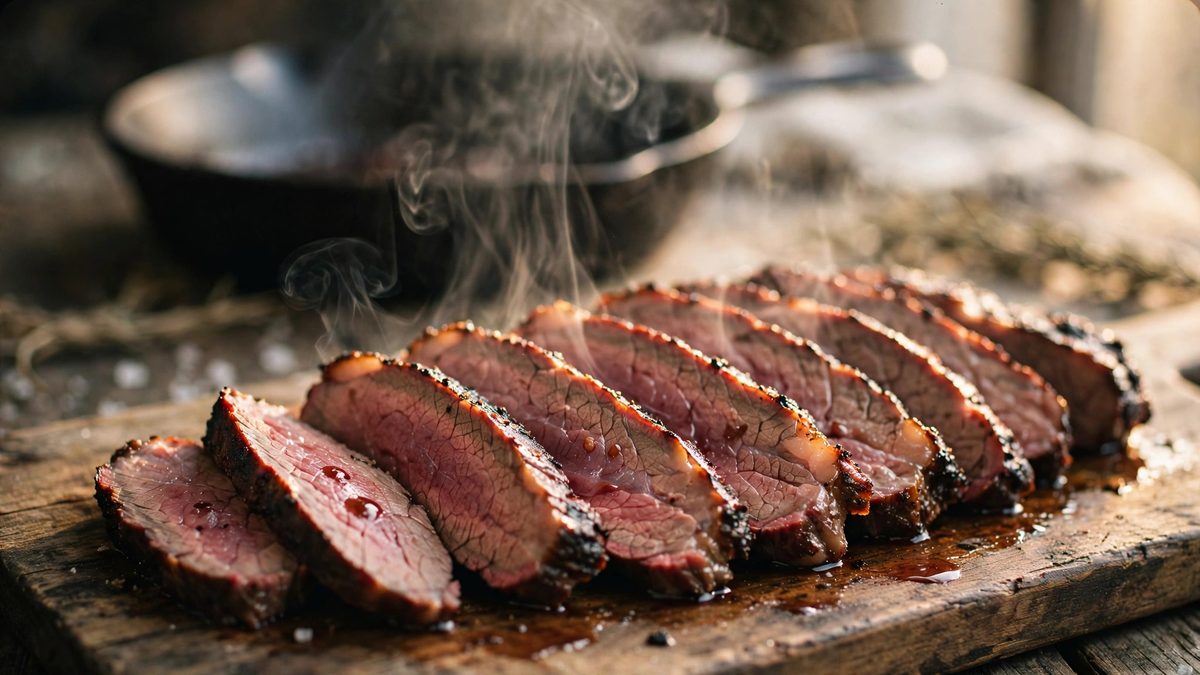
Command Your Pit Smoke Primal Brisket This July 4th

Primal lifestyle scene

The scent of charcoal smoke curling into the summer sky, the low rumble of a smoker, the promise of a feast – this is the anthem of American independence. On the Fourth of July, we don’t just celebrate freedom; we embody it with fire, community, and an unapologetically primal meal. This year, ditch the flimsy burgers and dry hot dogs. It’s time to command your pit and deliver a masterpiece that feeds the soul and the masses: the ultimate Primal Smoked Brisket. This isn’t just a recipe; it’s a declaration of culinary sovereignty, a testament to patience, and a deep dive into the ancestral art of slow-cooked meat.

The Undeniable Power of Primal Smoked Brisket

Brisket, a cut from the lower chest of the cow, is a formidable challenge and an even more formidable reward. Its marbling, rich with ancestral fats, renders down to an unctuous, flavorful experience unlike any other. Consequently, it’s the ideal centerpiece for feeding a large gathering, a single slab often weighing 10-15 pounds. Furthermore, its preparation demands respect, patience, and a primal understanding of fire and meat. You’re not just cooking; you’re transforming a tough cut into tender, smoky perfection, a culinary alchemy that resonates with our ancient hunter-gatherer roots. Crucially, the slow smoking process not only tenderizes but also infuses the meat with a depth of flavor that is profoundly satisfying.

Forget the notion that red meat is a villain. For millennia, our ancestors thrived on it, building robust bodies and sharp minds. Modern science increasingly supports the fundamental role of animal proteins in human health, providing essential amino acids and micronutrients vital for strength and vitality. Studies consistently highlight the bioavailability of nutrients from red meat, confirming its status as a cornerstone of a truly ancestral diet. Therefore, when you smoke a brisket, you’re not just preparing food; you’re honoring a tradition that has sustained humanity for generations.

Mastering the Smoker: Your Iron Steed

Whether you wield a charcoal Masterbuilt, a kamado grill, or an offset smoker, the principles remain constant: low heat, long hours, and consistent smoke. This isn’t a sprint; it’s a marathon of flavor. The key is to maintain a steady temperature, typically between 225-275°F (107-135°C). As a result, the connective tissues within the brisket slowly break down, rendering fat and transforming muscle into succulent, fall-apart tenderness. Wood choice is also paramount; oak, hickory, or pecan impart a robust, traditional smoke flavor that perfectly complements the rich beef. Avoid lighter woods like fruit woods for brisket; you need something that can stand up to the meat’s intensity.

Furthermore, prepare your smoker with diligence. Clean grates are essential, and ensuring a stable fuel source is critical for uninterrupted cooking. If you’re new to smoking, a reliable Wireless Meat Thermometer is an invaluable tool, allowing you to monitor both smoker and meat temperatures without constantly opening the lid and losing precious heat and smoke. This commitment to precision, coupled with primal intuition, sets the stage for a truly epic outcome.

The Ritual of Preparation: Seasoning Your Canvas

A brisket begins with a precise trim. Remove excess hard fat, leaving about 1/4 to 1/2 inch of soft, pliable fat on the top (fat cap) to protect the meat and render flavor. However, don’t over-trim; that fat is gold. Next comes the rub, the flavor bedrock of your masterpiece. A simple yet powerful rub of coarse sea salt, coarse-ground black pepper, and perhaps a touch of garlic powder is all you need. The ratio is typically 1:1 salt to pepper, applied generously until the brisket looks like it’s been dusted with a dark, flavorful crust. This isn’t a timid sprinkle; this is a full-body massage, ensuring every inch of the meat is coated.

Let the seasoned brisket rest in the fridge for at least 4-6 hours, or ideally overnight. This allows the rub to penetrate and draw out some moisture, creating a better bark later. Consequently, your patience here will directly translate to a richer, more profound flavor profile in the finished product. This dedication to preparation isn’t merely culinary; it’s a warrior’s respect for his provisions, a deep appreciation for the nourishment that sustains us. For more insights on nourishing your body with foundational foods, consider exploring how to build a diet around nutrient-dense foods.

The Long Watch: Smoking and The Stall

Once your smoker is dialed in, place the brisket fat-side up (or down, depending on your smoker’s heat source) and let the smoke do its work. This journey is long, often 12-18 hours or more, depending on the size of the brisket and your smoker’s efficiency. Around the 150-170°F (65-77°C) internal temperature mark, you’ll encounter “the stall.” This is when moisture evaporating from the brisket’s surface cools the meat, causing the temperature to plateau. Don’t panic, and don’t crank the heat. Patience is vital. You can power through it, or you can “wrap” the brisket in butcher paper or foil to push through faster.

Wrapping can accelerate the cook and help retain moisture, resulting in a more tender brisket. If you wrap, add a splash of beef broth or melted Grass-Fed Beef Tallow to the wrap for extra richness. Continue cooking until the internal temperature reaches 200-205°F (93-96°C) and probes tender like “warm butter” in multiple spots. Proper cooking temperatures are crucial for both food safety and achieving optimal tenderness in meat, transforming collagen into gelatin for that melt-in-your-mouth texture. This careful management of heat and time is what distinguishes a true pitmaster.

The Primal Takeaway

Finally, and perhaps most crucially, remove the brisket from the smoker and let it rest, still wrapped, for a minimum of 1-2 hours, or even longer in an insulated cooler. This resting period allows the muscle fibers to relax and reabsorb juices, ensuring a moist, tender slice every time. When it’s time to slice, go against the grain for maximum tenderness. Serve this glorious Primal Smoked Brisket with simple, honest sides: fresh seasonal fruit, a crisp cabbage slaw, or perhaps some roasted root vegetables. This Fourth of July, ignite the fires, embrace the smoke, and honor the primal tradition of feeding your tribe with a feast worthy of patriots. It’s more than a meal; it’s a declaration of freedom, flavor, and fortitude.

Next Page »

Primary Sidebar

Howdy, Y’all…

Craving a deeper connection to your food and a life lived in harmony with nature? This is your one-stop shop for all things primal living! Dive into informative articles exploring the ancestral approach to health and wellness. Get your paleo and primal recipe fix with delicious, nourishing creations that fuel your body. And learn how to integrate primal practices into your daily routine, from nose-to-tail eating to mindfulness tips – thatssoprimal.com is your guide to unlocking your inner primal self!
Read more…

Categories

  • About
  • Activities
  • Beef
  • Book Reviews
  • Desserts
  • Essential Tools
  • Insects
  • Interviews
  • Lifestyle
  • Pork
  • Product Reviews
  • Recipes
  • Sides
  • Snacks
  • Soups
  • Vegetables

Recent Posts

  • Why You Need Morning Sunlight (And How It Fixes Your Sleep)
  • Why Your Testosterone is Tanking (And How to Fix It)
  • Stop Hating Brussels Sprouts Cook Them In Bacon Grease
  • The Primal Protein Math That Makes You Harder to Kill
  • Command Your Pit Smoke Primal Brisket This July 4th

AD

CLAIM THE ARSENAL

Copyright © 2026 That's So Primal on the Foodie Pro Theme